Kuba is not just a name on a map—it’s a living, breathing culture that has survived centuries of external pressure. The Kuba Kingdom。located in what is now the Democratic Republic of the Congo, emerged around the 17th century and became one of the most sophisticated societies in pre-colonial Africa. Its people developed a complex political system, a stunning artistic tradition, and a deep spiritual connection to the land. When I first encountered Kuba art in a Brussels museum—those geometrically patterned textiles and carved masks—I was struck by how little the display cards said about the people themselves. The Kuba weren’t just artisans;they were innovators, diplomats, and storytellers who wove their history into every raffia cloth and every royal insignia.What sets Kuba apart is its extraordinary artistic legacy. The Kuba are famous for their embroidered raffia textiles, known as velours du Kasaï, which feature intricate cut-pile designs that rival any European tapestry. Each pattern tells a story, often linked to royalty or important events. I remember reading about a Kuba king who commissioned a cloth so large it took dozens of weavers months to complete—a testament to how art and power intertwined. But the Kuba didn’t stop at textiles. Their masks, like the Mwaash aMbooy, are masterpieces of form and symbolism。
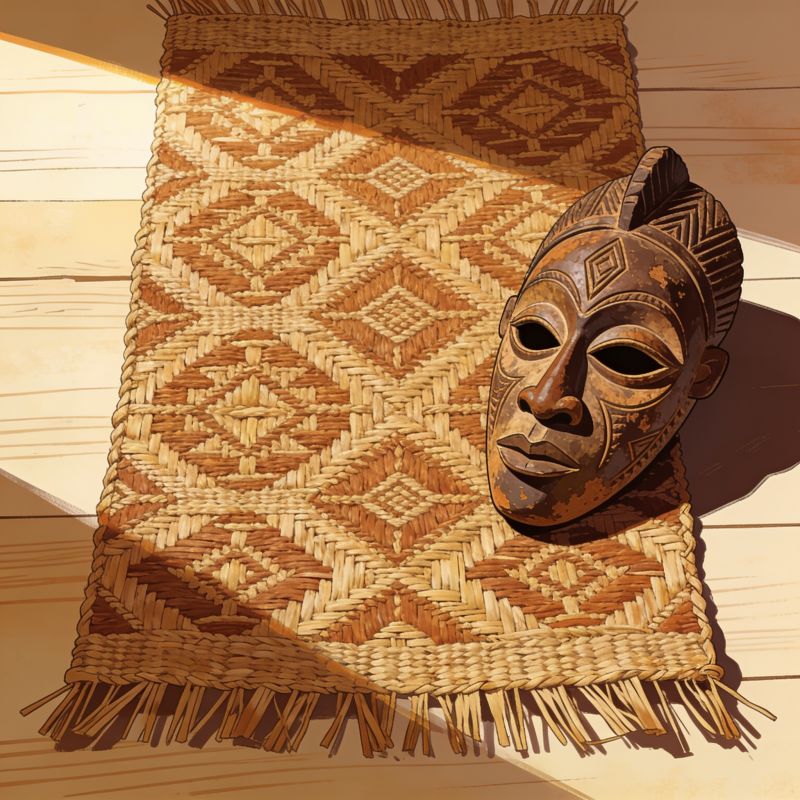
used in ceremonies to embody spirits and ancestors. These aren’t relics;many are still danced today, connecting the living to the past.The Kuba Kingdom’s political structure was equally impressive. Ruled by a king, or nyim, the society had a hierarchical system with nobles, bureaucrats, and artisans。all bound by a shared code of conduct. The king wasn’t just a ruler—he was a sacred figure, responsible for the community’s well-being. Oral histories recount how Kuba kings managed to keep European colonizers at bay for decades through shrewd diplomacy and strategic alliances. That resilience fascinates me. Unlike many other African kingdoms, the Kuba maintained a strong sense of identity even as external forces encroached. Their ability to adapt without losing their core values is a lesson in cultural preservation.Today, the Kuba face modern challenges: deforestation。
political instability, and the erosion of traditional practices. Yet the spirit of Kuba endures. I’ve seen photos of young Kuba artists blending traditional motifs with contemporary materials, creating a new visual language that honors the past while looking forward. Community elders still gather to share stories under the moonlight, passing down knowledge that has survived for generations. It’s a reminder that Kuba isn’t a static relic—it’s a dynamic culture that continues to evolve. When you say “Kuba” you’re talking about a people who have turned adversity into art, and that’s something worth remembering.